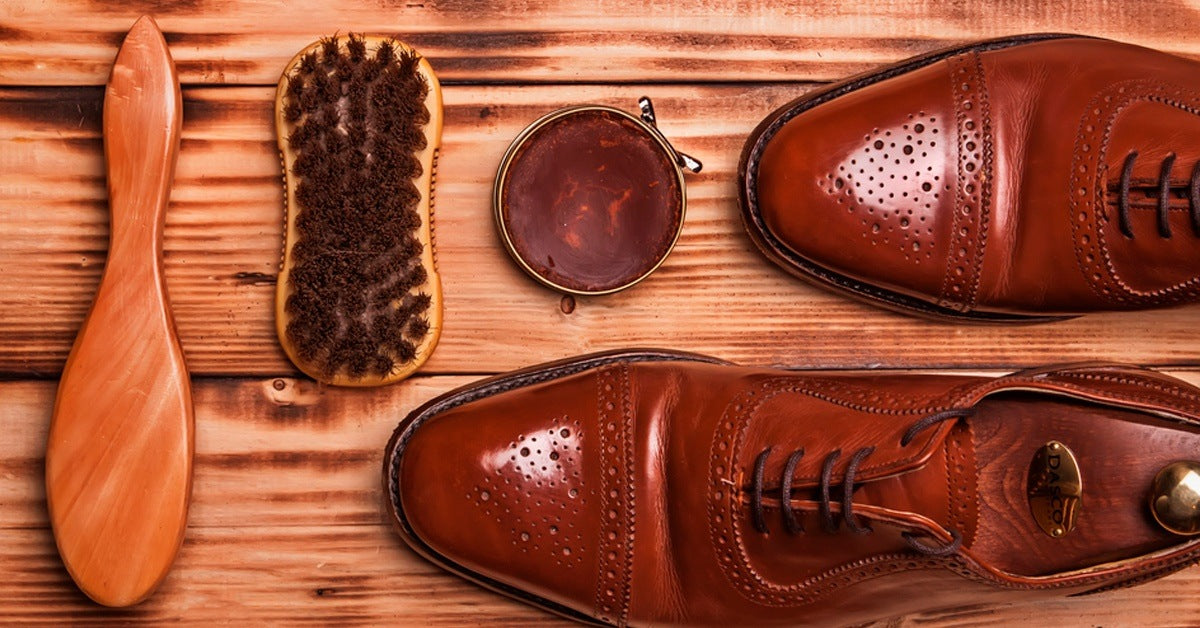
Product update: By Vilain Powermade has been improved and reformulated as By Vilain Flow Pomade. The original images have been retained and may show the former Powermade product.
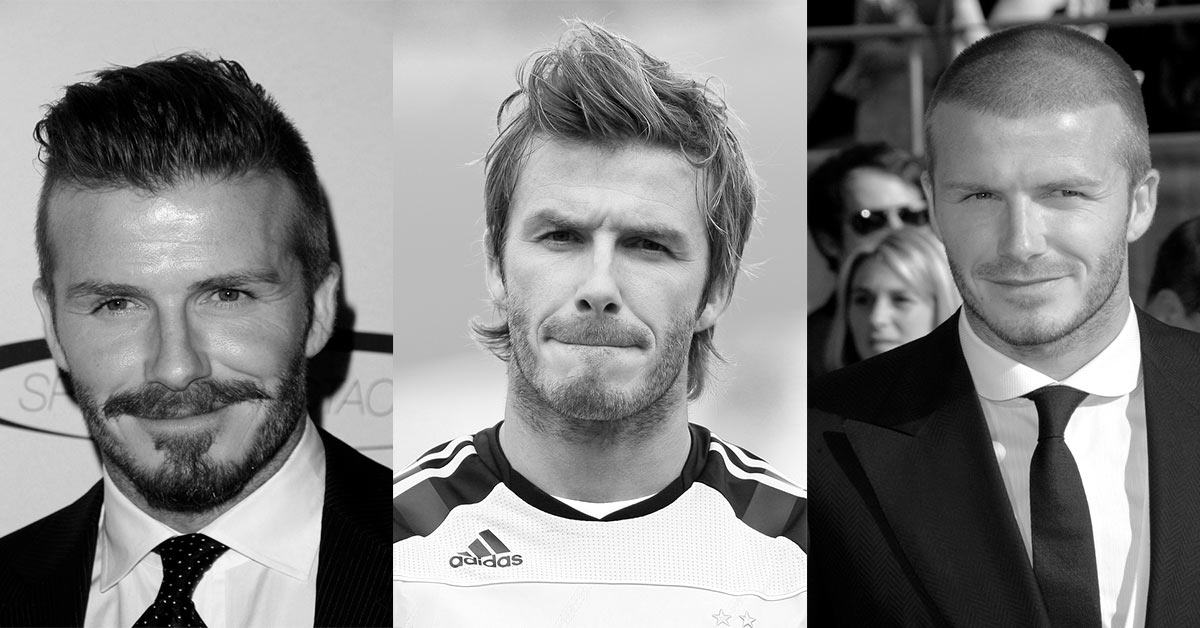
David Beckham’s hairstyle archive ranges from closely cropped hair to longer layers and tied-back styles. Use these ten references to compare length, contrast and finish. The photographs are historical examples, not a claim about his current haircut or a guarantee that each shape will sit identically on your hair.

1. Modern pompadour
The raised front and swept-back top create a fuller profile. Ask for enough length to build the front and a side shape that supports it. Dry the roots upwards before guiding the ends back; a finishing product alone will not reliably create that height.
2. Hair under a beanie
A beanie changes the silhouette without being a separate haircut. Choose a comfortable fit and reshape the roots lightly after removing it. It is a practical option between styling sessions, but does not replace cleansing when the scalp needs it.
3. Close sides with a textured top
The contrast comes from a shorter perimeter and a longer, less orderly top. Ask your barber how high the short section should sit. Use a small amount of styling wax to separate the top; Hanz de Fuko Sponge Wax remains a direct product option in the shop.

4. Short spiky crop
Keep the top short enough to shape with your fingers, then define a few sections rather than pulling every strand into a spike. A forward crop and an upward-spiked finish are different directions, so show the specific photograph you want.
5. Close buzz cut
A very short cut reduces morning shaping but still needs maintenance to preserve its length. Ask to start a little longer if you have not tried it before. Plan care and sun protection for exposed scalp rather than describing the cut as maintenance-free.

6. Half-up bun
Gather the upper section and leave the lower hair loose. The front needs enough length to reach without tension. This differs from a full bun, which collects all the hair, and can work as an intermediate stage while growing the sides.
7. Short blonde texture
The cut and colour are separate decisions. Ask for the compact textured shape first, then discuss lightening with a colourist. Matte and shiny products can both work; styling wax cannot correct the tone or repair chemical damage.

8. Mini mohawk or faux hawk
A narrow raised centre creates the profile. A faux hawk uses softer side-to-top contrast than a more defined mohawk. Ask your barber how much contrast you want and shape the top towards the centre with small amounts of product.
9. Long side-swept fringe
Keep enough front length to move across the forehead and decide where it should rest around the eye. Guide it with your fingers for a soft finish. If it constantly falls in the way, adjust the cut rather than forcing it into place with more product.

10. Longer back and layered front
This mullet-inspired archive look combines a shorter face-framing front with extra length behind. Show both views to your barber: the difference between front and back is the key decision. A more subtle version can keep the same idea with less contrast.
How to use the references
Choose one feature to copy—front height, a close side, longer layers or the finish—then discuss how it translates to your texture. Save a front and profile photograph. Treat the hair colour and accessories as optional rather than requirements for the haircut.
Original videos and style references
- Watch the original video 1
- Watch the original video 2
- Watch the original video 3
- Watch the original video 4
- Watch the original video 5